Loading...
Serving Imperial Beach, CA and surrounding areas. (619) 776-0433
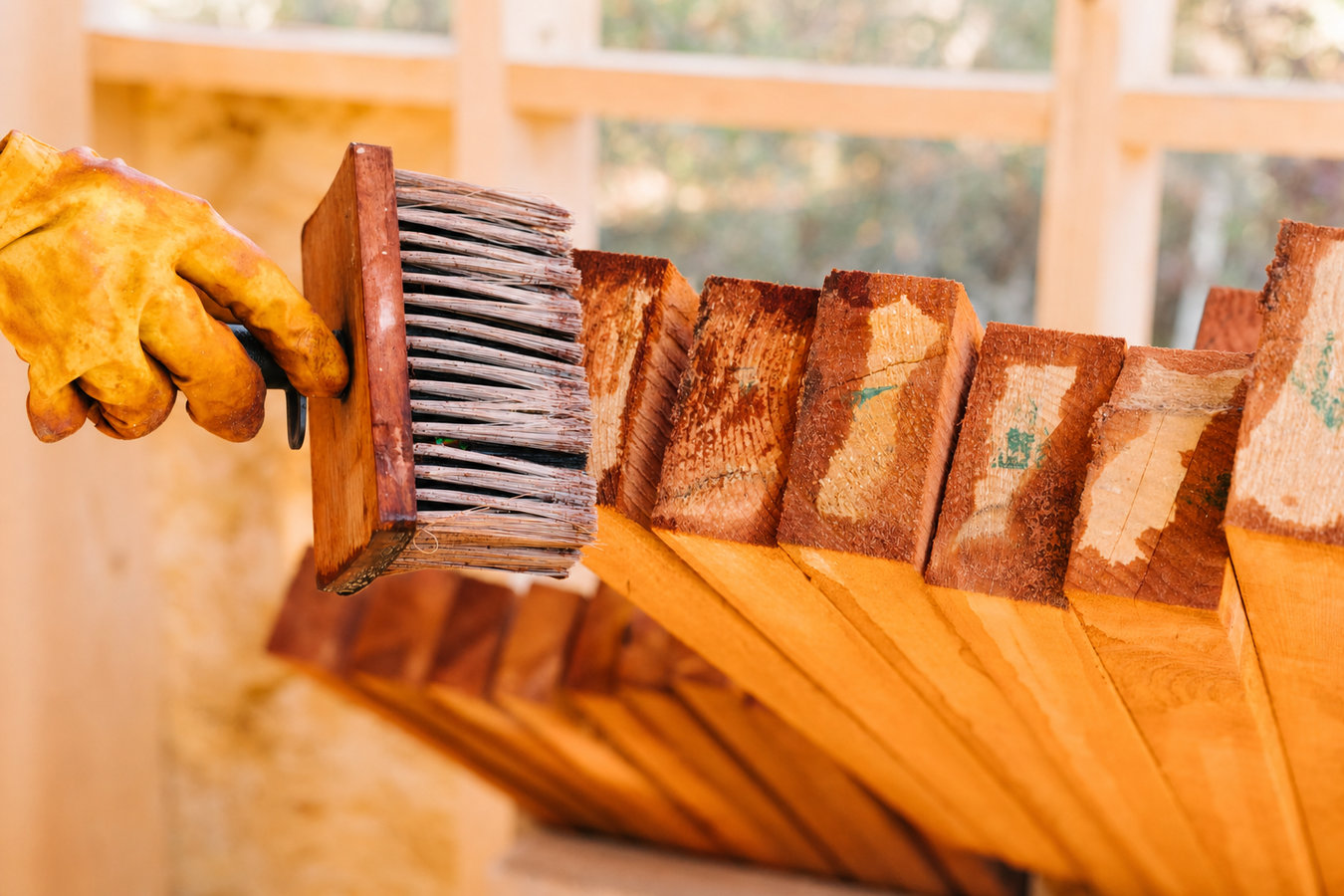
Salt air and coastal sun eat through unprotected wood fast. We use the right products, prep the fence properly, and make the finish last.
Fence staining and sealing in Imperial Beach protects wood from salt air, UV damage, and coastal moisture - most residential jobs covering 150 to 200 linear feet are completed in one to two days, with prep and application on separate days.
Imperial Beach sits right on the Pacific, and that location means your wood fence is dealing with conditions most homeowners never encounter. Salt air pulls moisture in and out of wood fibers constantly, which speeds up cracking and graying far faster than in inland neighborhoods. The intense Southern California UV does its own damage on top of that. A fence left unprotected here can go from looking fine to looking driftwood-gray in a single season.
If staining is not going to be enough because the wood has deteriorated too far, we can have an honest conversation about whether fence replacement is the more cost-effective move. And if you are starting fresh with a new fence, check out our wood fence installation service - we can factor in a stain application as part of the same project.
When wood loses its natural color and takes on a dull gray tone, the protective finish has worn away and the wood is weathering unprotected. In Imperial Beach, the combination of salt air and strong sun can push a fence from healthy-looking to gray in as little as one to two seasons. Gray wood is not ruined - but the longer you wait, the more prep work it takes to restore it.
Splash a small amount of water on your fence boards. If it soaks in immediately and darkens the wood, the seal is gone. A properly sealed fence causes water to bead up and roll off. Once water is absorbing freely, the wood is vulnerable to swelling, cracking, and mold - all of which are accelerated by Imperial Beach coastal humidity.
Small surface cracks and rough patches are early signs the wood is drying out from UV exposure and salt air. Left untreated, those cracks get deeper and can compromise board integrity. If you catch this stage early, a good cleaning and fresh stain can stop the damage - but deep cracks may mean some boards need replacing before staining begins.
Black spots or dark streaks on fence boards are usually mold or mildew, which thrive in the damp morning conditions that come with living near the coast. Faded patches where color is uneven suggest the old stain has worn through in spots. Both are signs the fence needs thorough cleaning and a fresh application before the damage spreads further.
Every job starts with a full cleaning - power washing or hand scrubbing to remove dirt, mold, and any old flaking finish - followed by a drying period before a single drop of stain goes on. Skipping prep is where most staining jobs fail, especially in a coastal environment where mold and salt are already present in the wood grain. We check moisture levels before starting, make any necessary minor repairs, and mask off plants, siding, and concrete before application begins. We also help you choose a product rated for the salt air and UV conditions specific to fence staining and sealing in a coastal marine environment, including low-VOC formulas that comply with California Air Resources Board standards.
If your fence has layers of old paint or needs structural repairs before staining, we handle that first rather than applying a fresh finish over a compromised surface. Homeowners whose fences are beyond the point where staining makes sense can ask us about a full fence replacement or, if the structure is sound, a targeted wood fence installation to replace failed sections before the new stain goes on.
Best for homeowners who want to preserve the natural wood grain while adding color, UV protection, and a moisture barrier.
Best for older fences or those with uneven coloring, where a more opaque finish hides imperfections and delivers longer-lasting coverage.
Best for newer fences in good condition where the goal is water and UV protection without significantly changing the wood color.
Best for fences with visible mold, mildew streaks, or multiple old finish layers that need stripping before a new product will properly adhere.
Imperial Beach averages over 260 sunny days per year, and the ocean is right there. That combination of high UV and salt-laden air is genuinely harder on wood fences than almost anywhere else in San Diego County. Standard fence stains sold at home improvement stores are typically formulated for drier, inland conditions - they fade and wear through faster in a marine environment. In Imperial Beach, using a product specifically rated for coastal or salt-air exposure is not optional, it is the difference between a job that lasts two to three years and one that is peeling in twelve months.
The coastal fog that rolls in from the Pacific most mornings keeps humidity high through mid-morning, which means wood moisture levels have to be checked before application starts - not just assumed to be fine. Much of Imperial Beach's housing stock was built between the 1960s and 1990s, which means many fences have been painted or stained multiple times and may need stripping before a new product will penetrate properly. We serve homeowners throughout Imperial Beach and into neighboring Chula Vista, CA and Coronado, CA, where coastal conditions are just as demanding.
We reply within one business day. Tell us the fence length, material, and when it was last stained - you do not need all the answers ready. We figure out the details when we visit.
We walk the fence line, check for mold, test wood moisture, and look at the existing finish. We discuss color options and any HOA restrictions before giving you a written price - no guesswork.
The crew power washes or hand-scrubs the fence to remove dirt, mold, and old flaking finish, then lets the wood dry completely - typically overnight - before any stain is applied.
Once the wood is ready, we apply two coats of the chosen stain and do a final walkthrough with you. The fence needs 24 to 48 hours to cure fully - we let you know exactly when it is safe to use again.
Free estimates, no pressure. We reply within one business day.
(619) 776-0433We only use stains and sealers specifically formulated for salt-air and high-UV coastal environments. Standard inland products wear through faster here - we choose products based on what actually holds up in Imperial Beach conditions, not just what is cheapest.
We never apply stain to damp or uncleaned wood. We check moisture levels before starting, clean thoroughly, and treat mold before it gets sealed in. That commitment to prep is what separates a finish that lasts three years from one that peels in twelve months.
We know which Imperial Beach neighborhoods have HOA restrictions on fence color and finish type. Before anything goes on your fence, we help you pick a color that meets your association requirements - so you avoid a costly rejection after the job is done.
California law requires a contractor license for any job over $500 in labor and materials. You can verify any contractor license in minutes at the California Contractors State License Board. We carry full licensing, liability insurance, and workers compensation on every job.
Taken together, these are the things that determine whether a fence staining job holds up for two to three years or starts failing within one. In a coastal environment like Imperial Beach, shortcuts in product selection or prep work show up fast - and fixing them costs more than doing it right the first time.
When staining is no longer enough to save a fence, we remove the old structure completely and install a new one built for Imperial Beach coastal conditions.
Learn MoreStarting fresh with a new wood fence? We install and stain in one project so your fence is protected from day one.
Learn MoreSpring books fast - reach out now and lock in your date before the peak UV season hits your unprotected fence.